
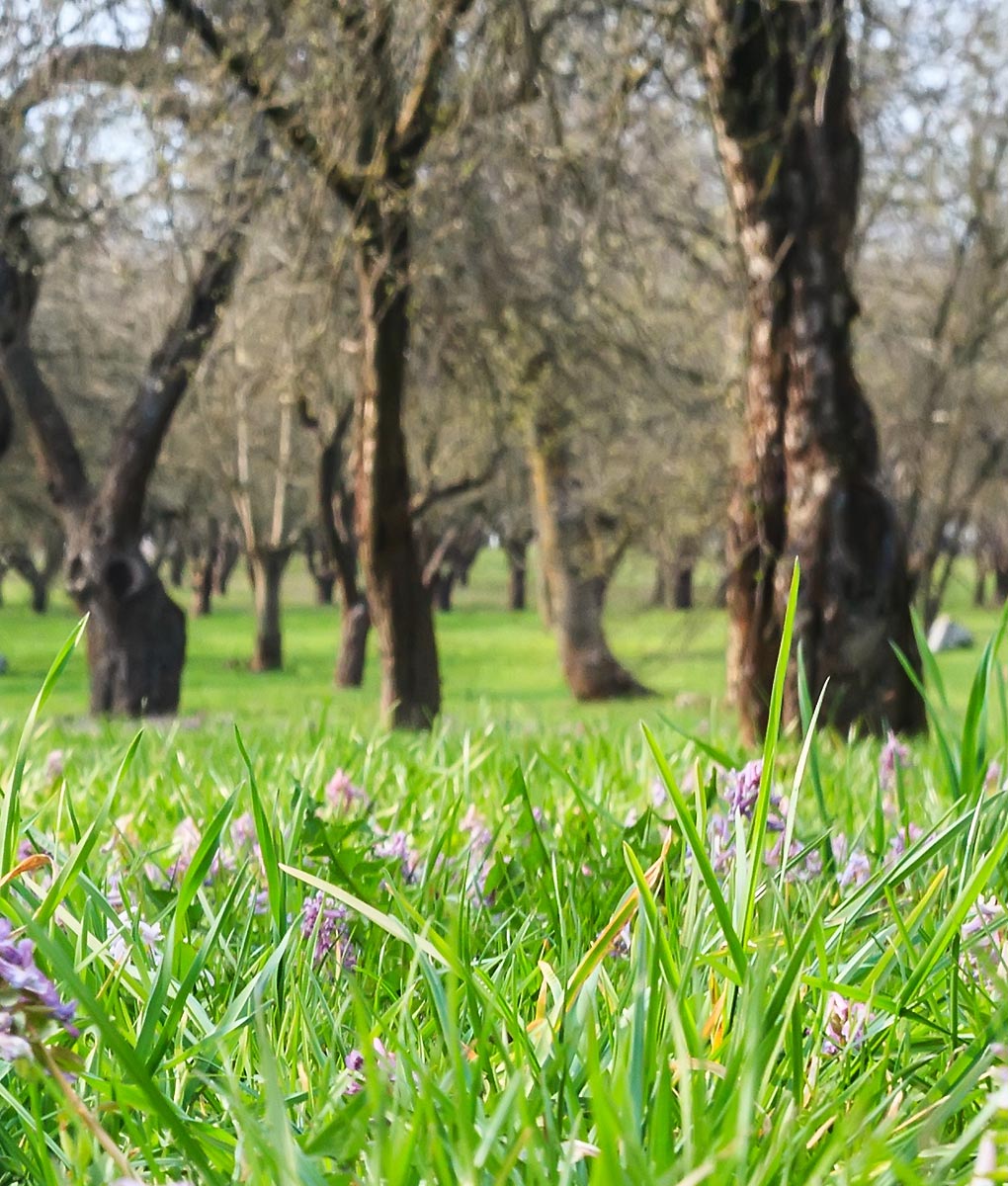
Parkland Wildflower Meadow (BL9)
£357.20
Parkland wildflower meadow seed mix combining grasses and wildflowers to create economical, diverse and environmentally friendly meadow areas for large landscapes and estates.
Each 20.00 kg pack covers 1,000 to 2,000 sq/m.
Buy 5+ at £339.34 per 20.00 kg bag
Buy 10+ at £328.62 per 20.00 kg bag
Buy 15+ at £321.48 per 20.00 kg bag
Buy 25+ at £303.62 per 20.00 kg bag
Buy 35+ at £285.76 per 20.00 kg bag
Prices include 20% VAT
Contents ( 1.00 kg )
- 25% HARD FESCUE festuca trachyphylla
- 20% FINE FESCUE festuca rubra litoralis
- 15% DWARF RYEGRASS lolium per
- 10% CRESTED DOGSTAIL cynosurus cristatus
- 5% TIMOTHY phleum pratense
- 15% MEADOWGRASS poa pratensis
- 4% ROUGH MEADOWGRASS poa trivialis
- 1% RIVENDEL certified Small White Clover
- 5% BASIC WILDFLOWER SEEDS mix WFBA
Contents per acre ( 0.00 kg )
- 5% HARD FESCUE festuca trachyphylla
- 5% FINE FESCUE festuca rubra litoralis
- 5% DWARF RYEGRASS lolium per
- 5% CRESTED DOGSTAIL cynosurus cristatus
- 5% TIMOTHY phleum pratense
- 5% MEADOWGRASS poa pratensis
- 5% ROUGH MEADOWGRASS poa trivialis
- 5% RIVENDEL certified Small White Clover
- 5% BASIC WILDFLOWER SEEDS mix WFBA
Contents per hectare ( 0.00 kg )
- 5% HARD FESCUE festuca trachyphylla
- 5% FINE FESCUE festuca rubra litoralis
- 5% DWARF RYEGRASS lolium per
- 5% CRESTED DOGSTAIL cynosurus cristatus
- 5% TIMOTHY phleum pratense
- 5% MEADOWGRASS poa pratensis
- 5% ROUGH MEADOWGRASS poa trivialis
- 5% RIVENDEL certified Small White Clover
- 5% BASIC WILDFLOWER SEEDS mix WFBA
Contents ( 20.00 kg )
- 25% HARD FESCUE festuca trachyphylla
- 20% FINE FESCUE festuca rubra litoralis
- 15% DWARF RYEGRASS lolium per
- 10% CRESTED DOGSTAIL cynosurus cristatus
- 5% TIMOTHY phleum pratense
- 15% MEADOWGRASS poa pratensis
- 4% ROUGH MEADOWGRASS poa trivialis
- 1% RIVENDEL certified Small White Clover
- 5% BASIC WILDFLOWER SEEDS mix WFBA
Summary: A Parkland Wildflower Meadow seed mixture containing 5% native wildflower species, designed for low-cost large-scale meadow establishment on poorer soils, reclaimed land, embankments, and difficult sites, supporting biodiversity with low maintenance management options.
MIX WFBA
The following native wildflower species make up 5% of the seeds mixture as listed above:
Ox-eye Daisy (leucanthemum vulgare)
Rough Hawkbit (leontodon hispidus)
Knapweed (centaurea nigra)
Corn Cockle (agrostemma githago)
White Campion (silene alba)
Red Campion (silene dioica)
Ladies Bedstraw (galium verum)
Self Heal (prunella vugaris)
Corn Marigold (chrysanthemum segetum)
Meadow Buttercup (ranunculus acris)
Common Sorrel (rumex acetosa)
Field Poppy (papaver rhoeas)
Yellow Rattle (rhinanthus minor)
Wild Carrot (daucus carota)
Ribwort Plantain (plantago lanceolata)
Yarrow (achillea millefolium)
Corn Chamomile (anthemis arvensis)
Cowslip (primula veris)
Salad Burnet (sanguisorba minor)
Why Parkland Wildflower Meadow seed? We are often asked by tradesmen and estate managers if we can produce a Parkland or meadow type mixture along with some wildflower species to use over larger landscaped areas at a relatively low cost.
The simple answer is yes. So we have introduced a product containing a reduced percentage of the (expensive) native wildflower seeds and to allow a little more time for the area to become fully established.
We therefore offer bulk 20.00 kg bags of Parkland Wildflower Meadow seed containing 5% wildflower seeds (by weight) to keep the price per kg down in line with a lower budget but also with far less competitive grasses so as not to compete with emerging wildflower seedlings.
Parkland Wildflower Meadow will perform best on poorer quality soils and is an ideal economy wildflower meadow seed mixture for establishing on the periphery of new buildings, along railway embankments, on reinstated or reclaimed sites or even on difficult to maintain areas along roads, green lanes and waterways etc.
The planted area may be left as a wild and natural habitat, cut by mechanical mowers or occasionally grazed by sheep or deer.
Do not apply fertiliser as encouraging rapid grass growth may be detrimental to the wildflower plants.
PDF downloads
Best suited for: Large-scale low-cost wildflower meadow establishment on poorer soils, reclaimed land, embankments and difficult-to-maintain sites where reduced maintenance and improved biodiversity are the primary objectives.
Latest UK Sowing Forecast
Watch today's Met Office briefing to find the optimal weather window for sowing in your area.

● Live Feed: Met Office UK
Related products
BULK LANDSCAPE

BULK LANDSCAPE
BULK LANDSCAPE

BULK LANDSCAPE
MEADOW GRASS SEED
MEADOW GRASS SEED
BULK LANDSCAPE
BULK LANDSCAPE
BULK LANDSCAPE
MEADOW GRASS SEED
BULK LANDSCAPE
BULK LANDSCAPE